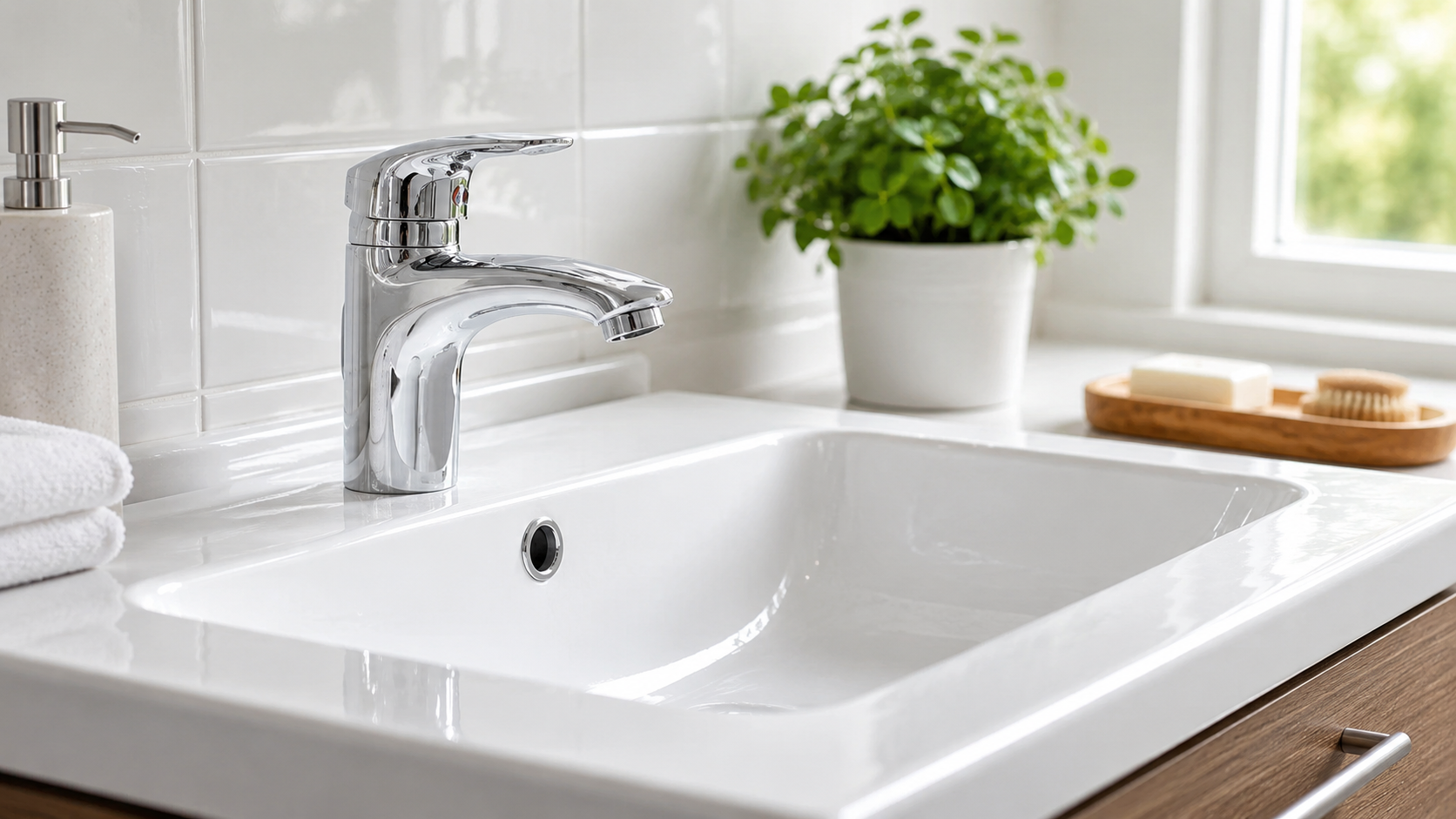
How to remove hard water stains from your bathroom sink is easier than most people think. Hard water stains can make your bathroom sink look old and dirty, even after you clean it. Those white spots around the faucet, drain, and sink are caused by minerals left behind when water dries. I used to think regular soap would remove them, but they kept coming back.
The good news is you don’t need expensive cleaners. Most hard water stains can be removed with things you probably already have at home. White vinegar, baking soda, and a little patience are usually all it takes. Keep reading to discover the easiest ways to remove hard water stains from your bathroom sink.
Understanding Hard Water Stains
Before you start cleaning, it helps to know what causes these stains. Hard water contains minerals like calcium and magnesium. Every time water dries on your sink, those minerals stay behind.
At first, you may only notice a few white spots. If you ignore them, they become thicker and harder to remove. The areas around the faucet and drain usually collect the most buildup because water sits there longer.
Most bathroom sinks are made from porcelain, ceramic, or stainless steel. These materials are safe to clean with vinegar. If your sink is made from marble, granite, or another natural stone, avoid vinegar because the acid can damage the surface.
Gather Your Cleaning Supplies

One of the best things about removing hard water stains is that you probably already have everything you need at home. You don’t need a cabinet full of specialty cleaners to get great results.
You’ll need:
- White vinegar
- Baking soda
- Fresh lemon
- Warm water
- Spray bottle
- Microfiber cloth
- Soft sponge
- Old toothbrush
- Paper towels
- Rubber gloves
Having everything ready before you begin saves time and makes the cleaning process much easier. There’s nothing worse than starting a project only to realize you forgot the spray bottle in another room.
Prepare Your Sink Before Cleaning
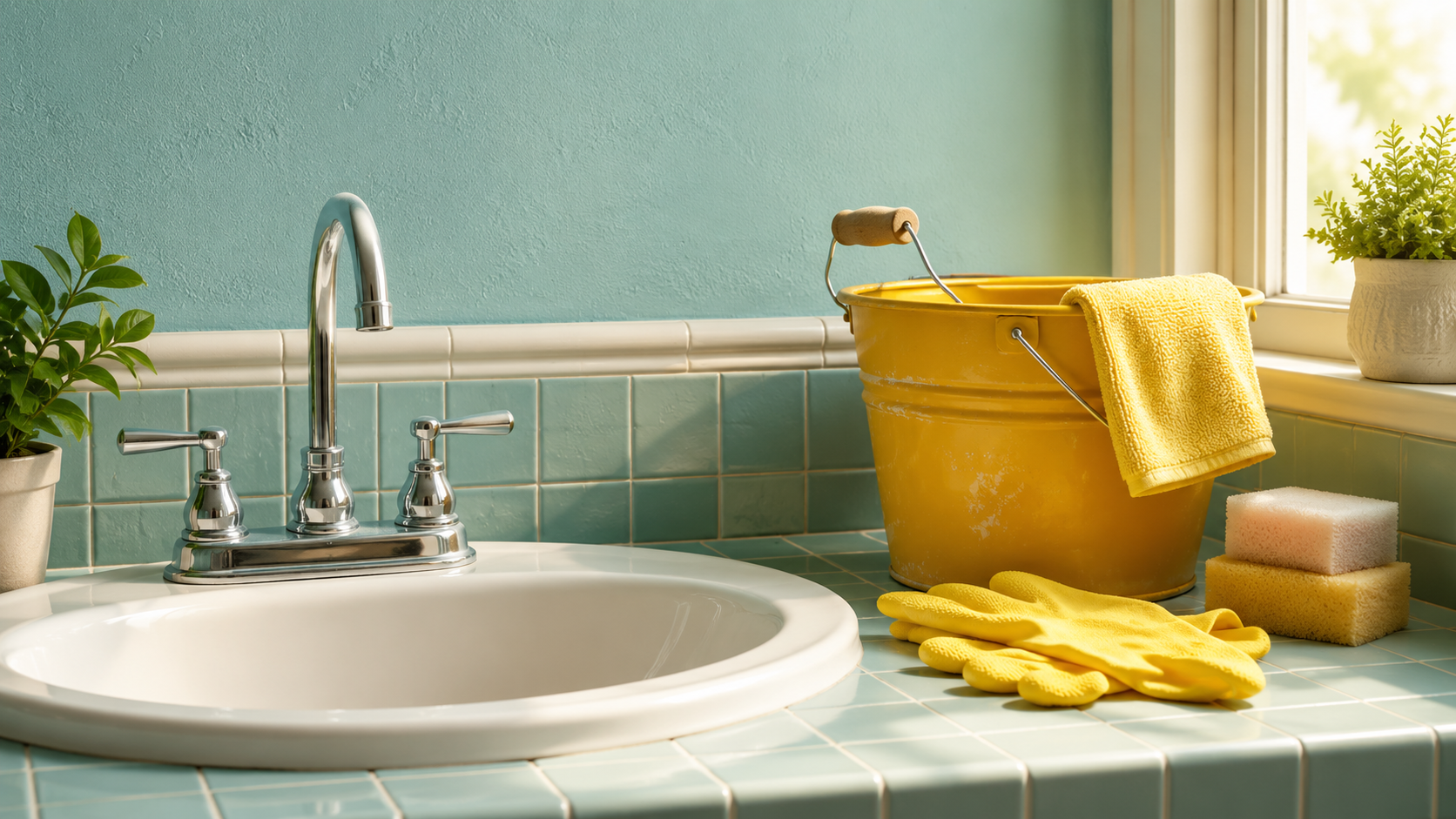
A few minutes of preparation can make the cleaning process much more effective. First, remove any soap bottles, toothbrush holders, or other items sitting around the sink. This gives you plenty of room to work and helps you reach every stained area.
Next, rinse the sink with warm water to remove loose dirt, toothpaste, and soap residue. Dry the surface with a clean microfiber cloth. While it might seem strange to dry a sink before cleaning it, doing so prevents the vinegar from becoming diluted and allows it to work more effectively on the mineral deposits.
If you have sensitive skin, put on a pair of rubber gloves before handling cleaning products. Even natural cleaners like vinegar can dry out your hands after prolonged contact. Finally, open a bathroom window or switch on the exhaust fan. White vinegar has a strong smell that disappears after cleaning, but better ventilation makes the experience much more pleasant.
The Best Ways on How To Remove Hard Water Stains From Your Bathroom Sink
Now comes the fun part. This is where you finally get rid of those hard water stains. The good news is you don’t need to try every method at once. I always start with the gentlest option first. If the stains are still there, I move on to a stronger method. It saves time and helps protect your sink from unnecessary scrubbing.
Over the years, I’ve tested plenty of store-bought cleaners, but I still come back to these simple DIY methods. They’re affordable, easy to use, and work surprisingly well on most bathroom sinks. The biggest secret is patience. Let the cleaner sit for a while and allow it to break down the mineral buildup. That way, you won’t have to scrub for ages just to make your sink shine again.
Remove Hard Water Stains With White Vinegar
This is my favorite method because it’s simple and works most of the time. Fill a spray bottle with equal parts white vinegar and warm water. Spray the stained areas until they are completely wet.
For thicker stains, soak a few paper towels in vinegar and place them over the buildup. This keeps the vinegar in contact with the minerals while it works. Leave everything for about 30 minutes. If the stains have been there for a long time, let the vinegar sit for up to one hour.
When the time is up, remove the paper towels and wipe the sink with a soft sponge. Most of the white buildup should come off easily. Rinse the sink with warm water and check if any stains remain.
Helpful Tips
- Warm vinegar works faster than cold vinegar.
- Keep paper towels wet while soaking stubborn stains.
- Repeat the process if heavy buildup remains.
Using Baking Soda To Scrub
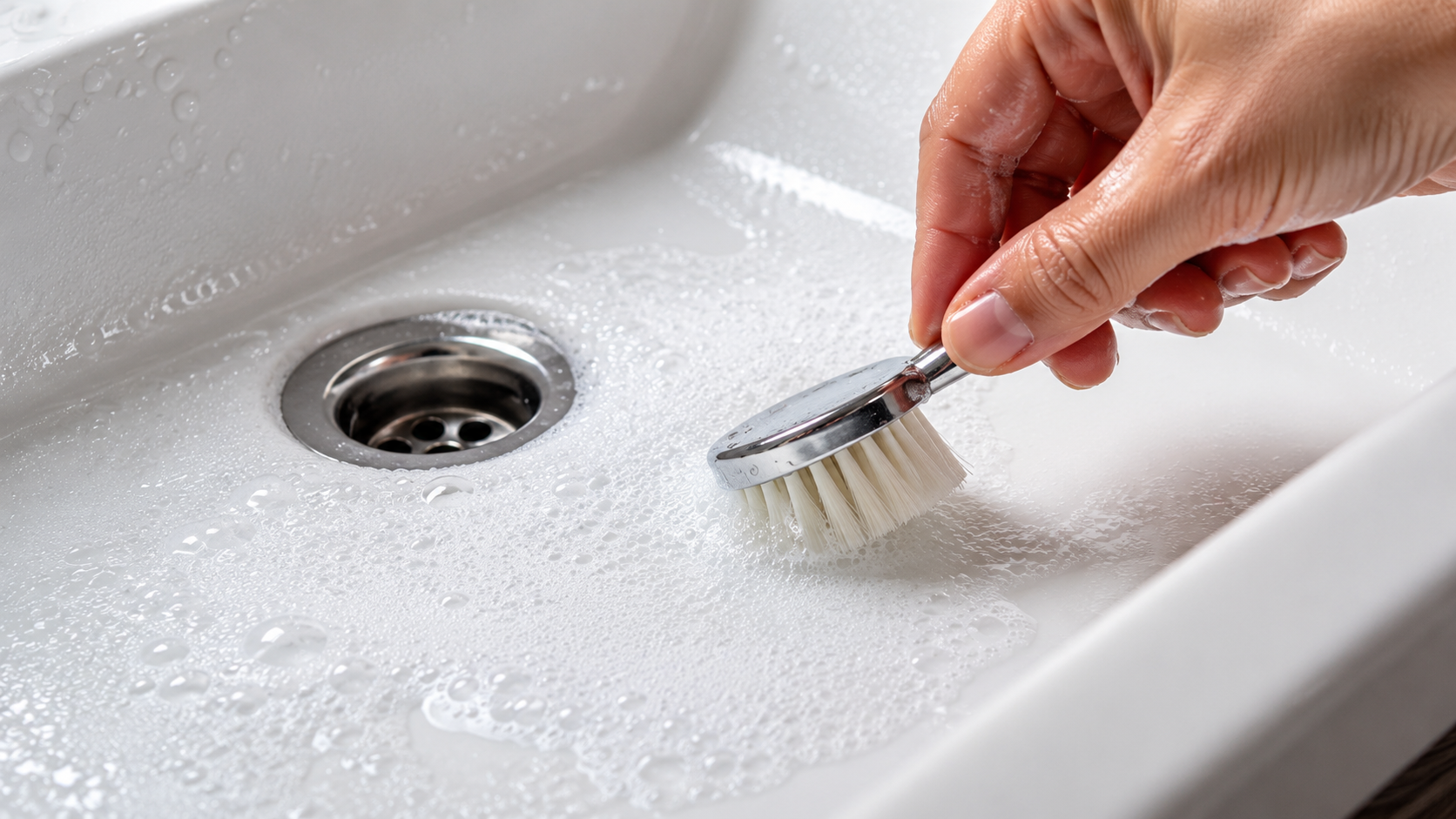
Sometimes vinegar removes most of the stains but leaves behind small patches of mineral buildup. That’s where baking soda comes in. Mix baking soda with a small amount of water until it forms a thick paste. Spread the paste directly over any remaining stains.
Using a soft sponge or an old toothbrush, gently scrub the stained areas in small circular motions. Baking soda provides just enough abrasion to lift stubborn deposits without scratching porcelain or ceramic surfaces.
Pay special attention to tight spaces around the faucet and drain where minerals often collect. Once you’ve finished scrubbing, rinse the sink thoroughly with warm water and dry it with a microfiber cloth.
Helpful Tips
- Use gentle pressure instead of aggressive scrubbing.
- An old toothbrush works well around faucet bases.
- Never use steel wool or metal scrubbers on your sink.
Use Lemon Juice To Clean
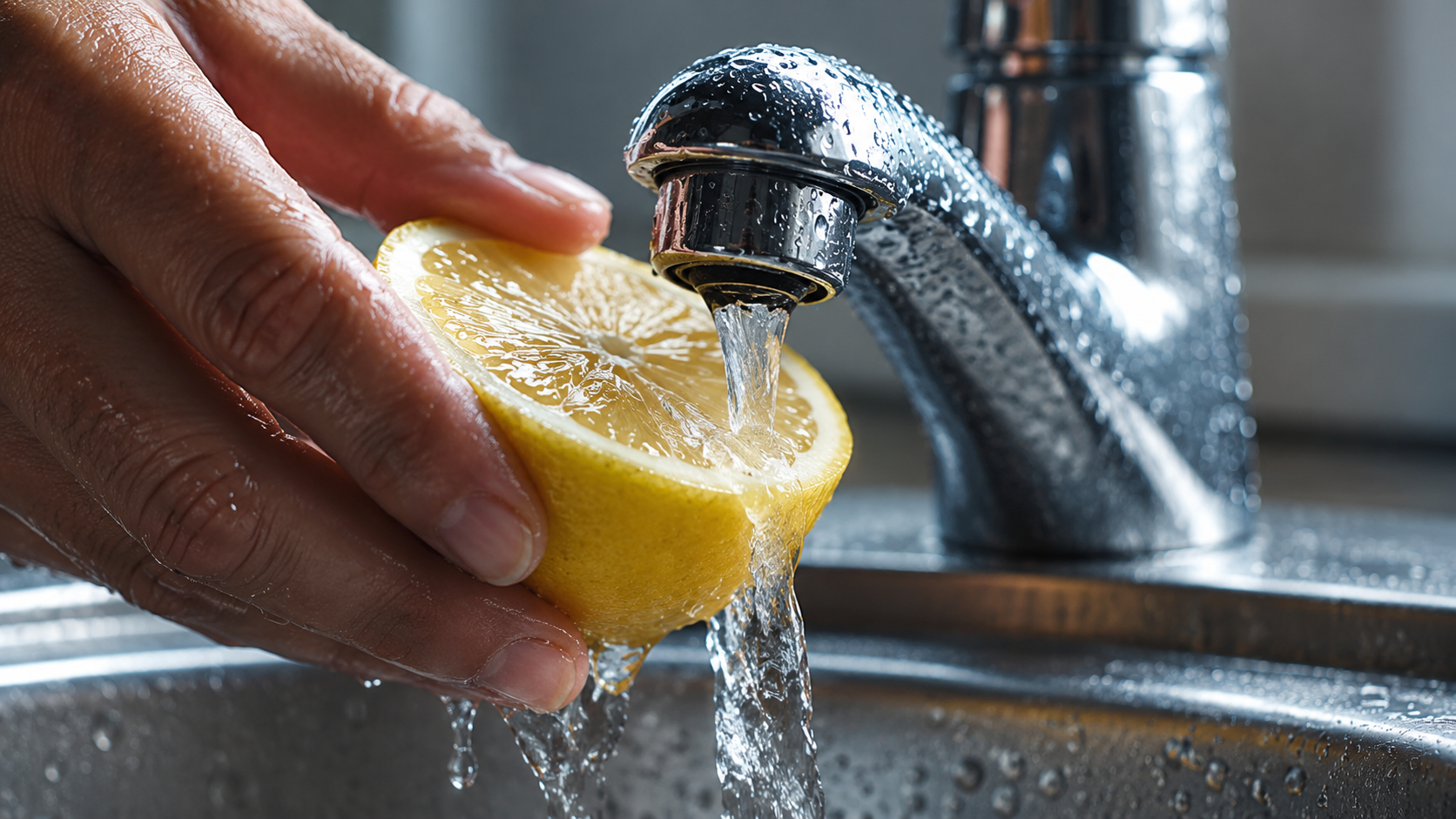
If you prefer a fresh citrus scent over vinegar, lemon juice is another excellent natural cleaner for hard water stains. Cut a fresh lemon in half and rub the cut side directly onto the stained areas. The natural citric acid helps dissolve mineral deposits while leaving your bathroom smelling fresh.
For extra cleaning power, sprinkle a small amount of baking soda onto the lemon before scrubbing. The combination creates a gentle cleaning paste that works especially well on lighter stains. Allow the lemon juice to sit on the surface for about 15 to 20 minutes before wiping everything clean with a damp microfiber cloth. Finish by rinsing the sink with warm water and drying it completely.
Helpful Tips
- Fresh lemons work better than bottled lemon juice.
- Replace the lemon half once it becomes dry.
- Dry the sink immediately after rinsing to prevent new water spots.
Use Vinegar and Baking Soda Combination
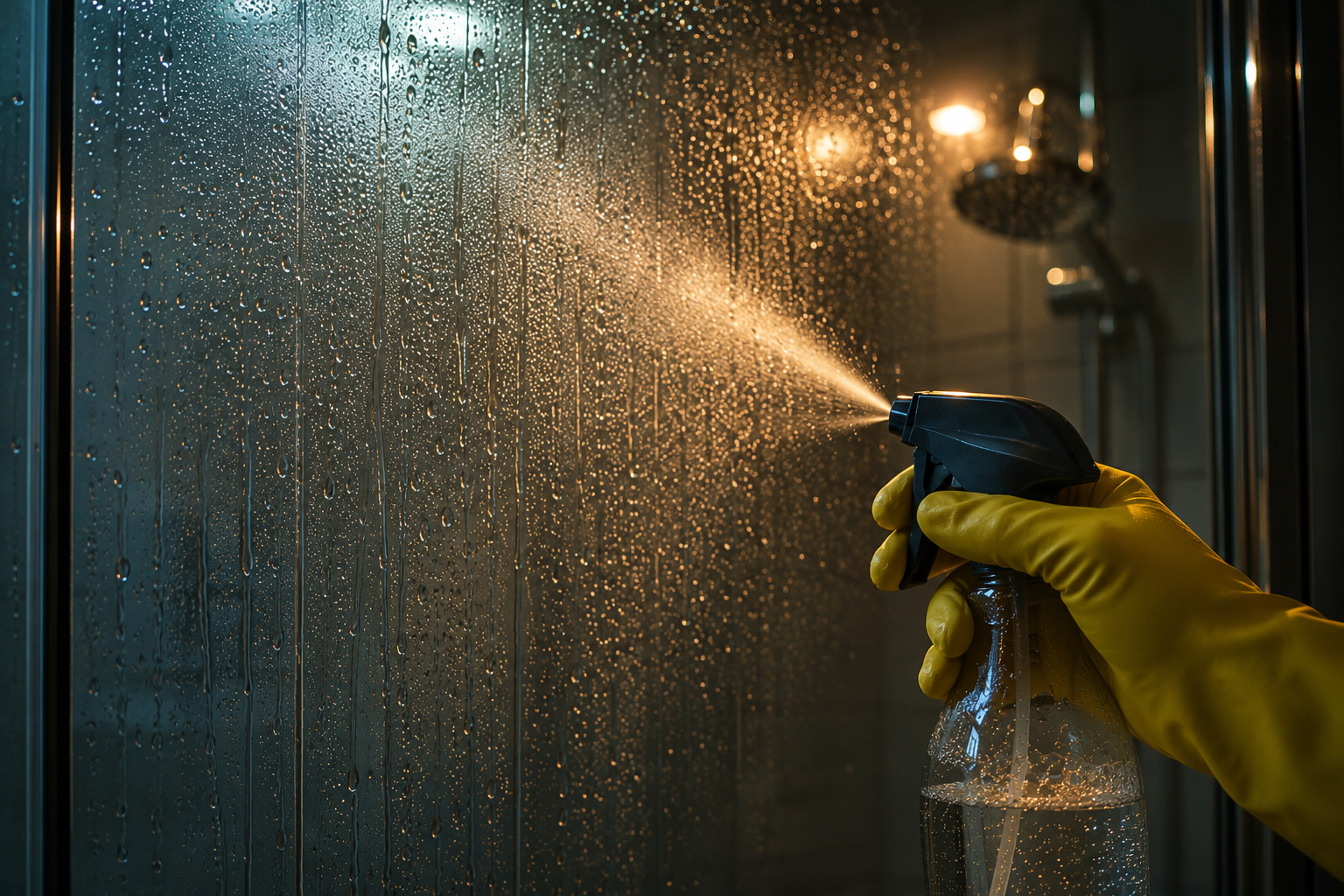
When stains have been sitting for several months, combining vinegar and baking soda can provide extra cleaning power.
Start by spraying white vinegar over the stained areas. Then sprinkle baking soda directly on top. You’ll notice the mixture fizz immediately. While the bubbling reaction looks impressive, its main benefit is helping loosen dirt and residue, making stubborn deposits easier to scrub away.
Allow the mixture to sit for about 10 to 15 minutes before gently scrubbing with a soft sponge or toothbrush. Rinse thoroughly with warm water and inspect the sink. If necessary, repeat the process until the stains disappear.
Helpful Tips
- Spray bottle
- Soft sponge
- Old toothbrush
- Paper towels
- Microfiber cloth
- Rubber gloves
Most of these items are probably already in your kitchen.
Dry and Polish Your Sink
Once the stains are gone, don’t forget the final step. Dry the entire sink with a microfiber cloth. This removes any water spots and brings back the shine.
I always spend an extra minute drying the faucet too. It makes the whole sink look newer. Some people like to add a tiny drop of baby oil to a soft cloth and polish the faucet. It helps water roll off instead of sticking to the metal.
What If the Stains Won’t Come Off?
Some hard water stains have been sitting for years. They may need more than one cleaning. Try soaking the area with vinegar again and leave it for a little longer. Sometimes a second treatment is all you need.
If you still have thick mineral buildup, gently lift the edge with a plastic scraper or an old plastic card. Never use a knife or metal scraper because it can scratch your sink. If your sink is made from marble or granite, skip vinegar completely. Use a cleaner made for natural stone instead.
How to Prevent Future Hard Water Stains
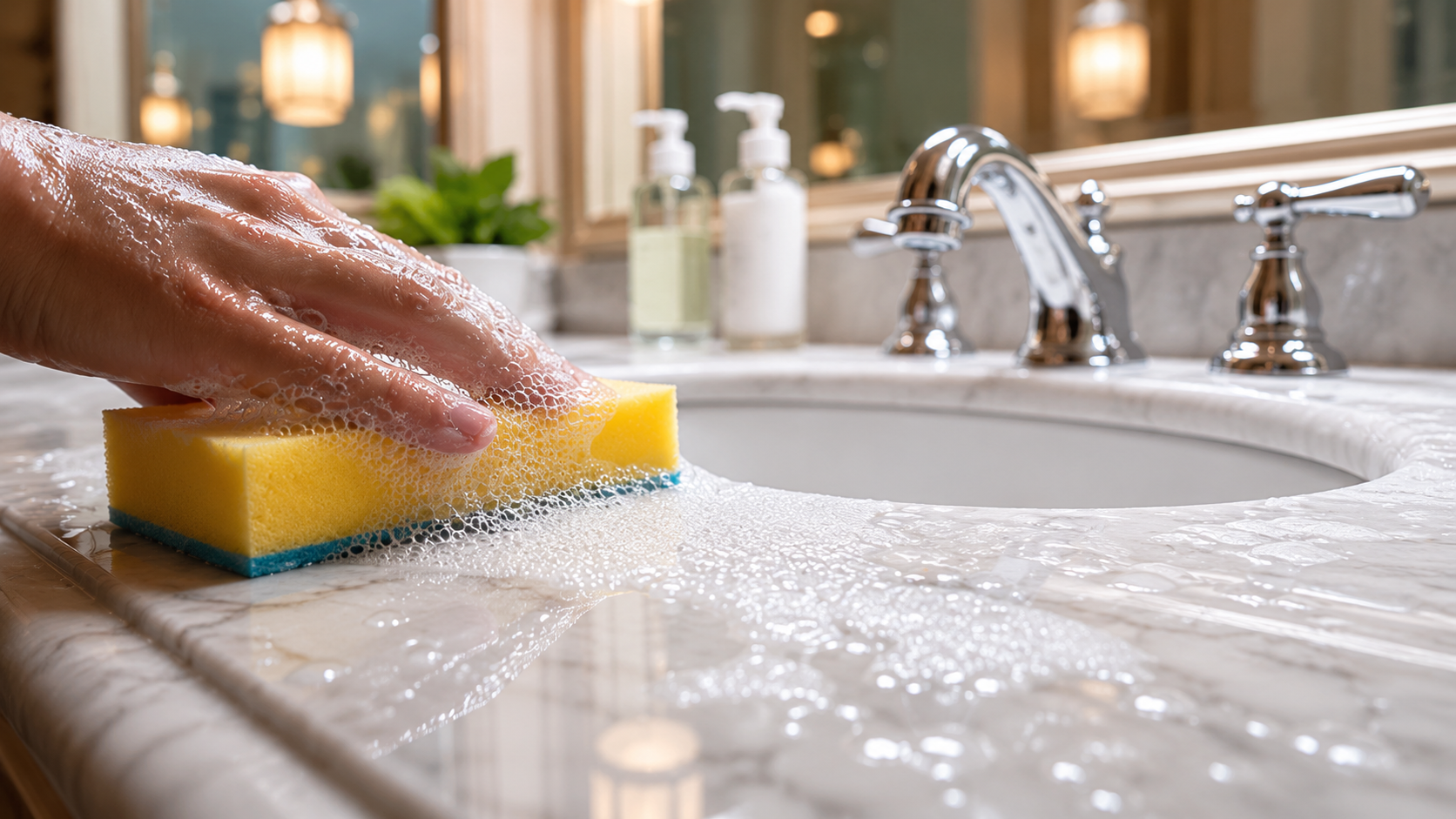
The easiest way to remove hard water stains is to stop them from forming. After using the sink, wipe away any water with a small towel or microfiber cloth. It only takes a few seconds and makes a big difference.
Cleaning your sink once a week also helps stop minerals from building up. If your home has very hard water, you may want to install a faucet filter or a whole-house water softener. They reduce the amount of minerals in your water and help protect your sinks, showers, and appliances.
Common Mistakes to Avoid
A few simple mistakes can damage your sink or make cleaning harder.
- Don’t use steel wool or metal scrubbers.
- Don’t leave vinegar on natural stone sinks.
- Don’t let water sit on the sink after cleaning.
- Don’t mix cleaning products unless the label says it’s safe.
- Don’t wait months before cleaning hard water stains.
Cleaning small stains is much easier than dealing with thick mineral buildup later.
Frequently Asked Questions
Can I use vinegar on a black bathroom sink?
It depends on the material. Check the manufacturer’s instructions first. Some black sinks have special finishes that need different cleaners.
How often should I clean hard water stains?
Once every week or two is enough for most homes. If your water is very hard, you may need to clean more often.
Does lemon work as well as vinegar?
Yes, but it’s usually better for light stains. Vinegar is stronger and works faster on heavy mineral buildup.
Can hard water stains damage my sink?
Most stains only affect how the sink looks. However, thick mineral deposits can become harder to remove if they are left for a long time.
You Are Done & Bathroom Sink Is Shining
Congratulations! Hard water stains may look stubborn, but they’re easier to remove than most people think. With white vinegar, baking soda, or even a fresh lemon, you can make your bathroom sink look clean again without spending much money. The best part is that keeping your sink clean doesn’t take much effort. A quick wipe after each use and regular cleaning will stop most hard water stains from coming back.